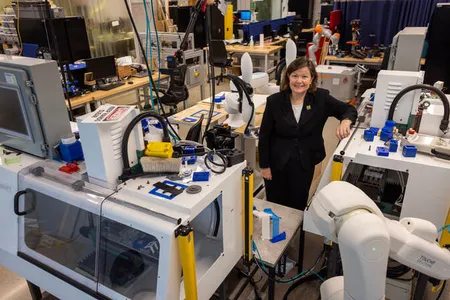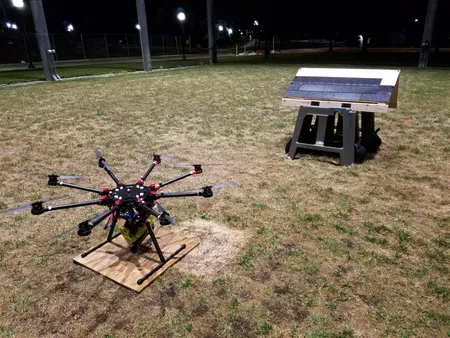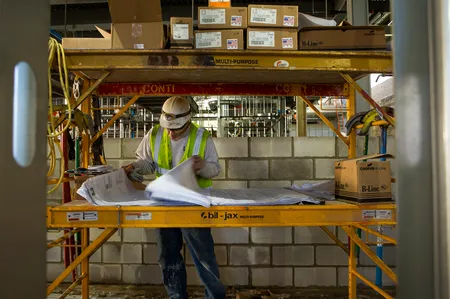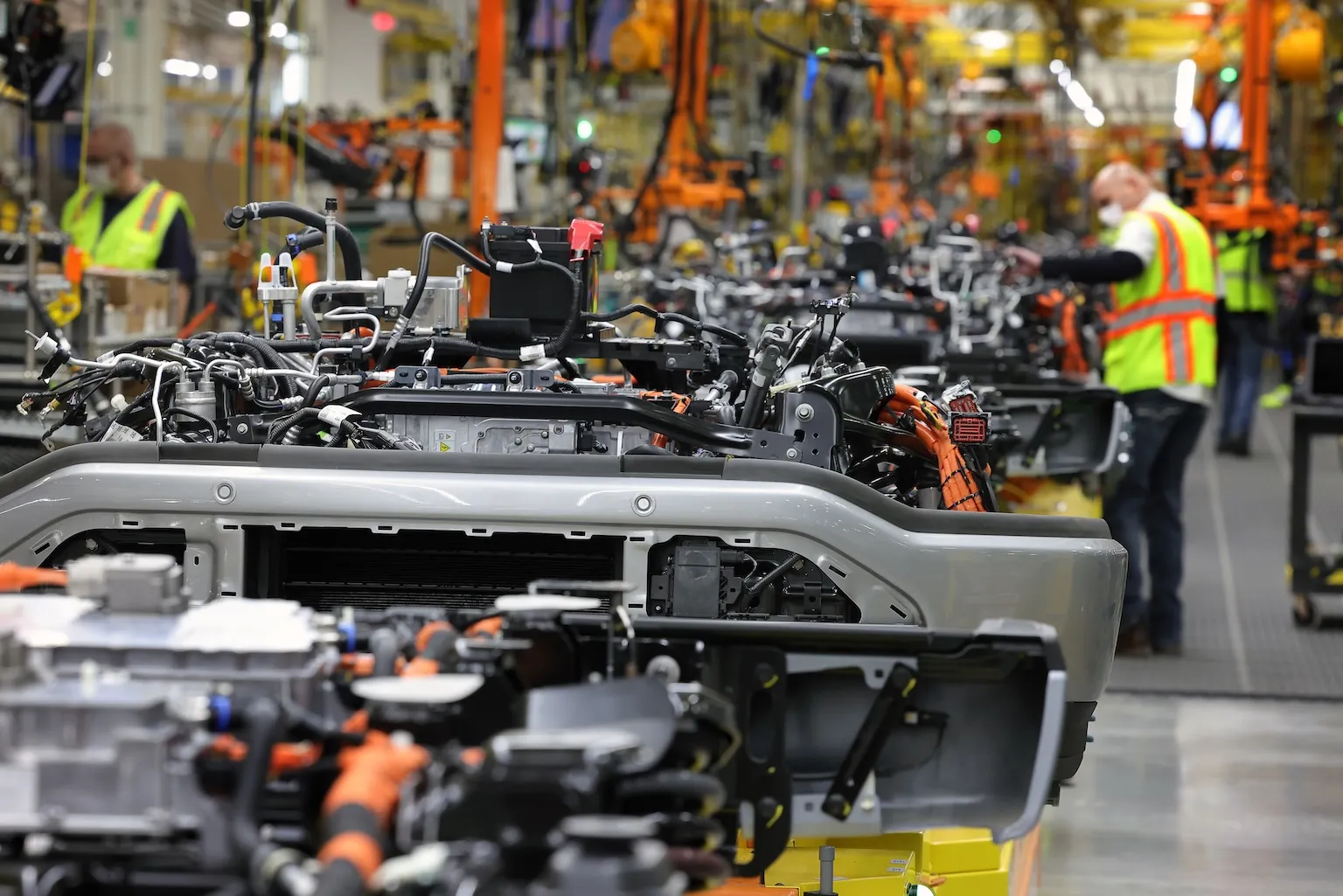
With robotics, manufacturing becomes much more dynamic and adaptive, lending itself to products that are more readily custom-made to specific needs in a more responsive supply chain. The core of robotic manufacturing now is flexibility, adaptability, and efficiency.
In the past, manufacturers built expensive, difficult-to-modify machines that did the same thing over and over for decades — think of the historic image of cars moving down an assembly line. Now robots can change function at any given time. The machines can adapt to the task and human coworker, instead of forcing the work or worker to adapt to the machines.
3D printing, one of the key tools in robotic manufacturing, has opened manufacturing to using a wide variety of materials, shaped in almost any way that humans can imagine, without the limitations imposed by traditional machining. Engineers no longer need to start with a solid block of material. They can compose materials to create a specific function. U-M startup S3D Precision Dispensing is marketing an unprecedented smart-surface manufacturing technology that prints sensors, actuators, and electronics on multiple types of surfaces at a resolution measured in nanometers.
Smart manufacturing, meanwhile, involves using data to make better, faster decisions. The challenge here is to devise rules that balance the trade-off between system autonomy and flexibility as the system works together with people. Those rules will help humans work with machines, and help machines work with machines. Michigan researchers work to make these interactions dynamic, flexible, and interactive.
Digital twins in manufacturing, which virtualize a factory floor and its assets, allow for improved planning and efficiency of our resources. Michigan, in partnership with Arizona State University, leads the NSF Center for Digital Twins in Manufacturing. This center invites industry participants to take part and take advantage of the latest research in this field.